Welcome to The Cooking Dish blog! This is quickly becoming one of the highest read articles online about onions, and I hope you find the answer you’re looking for. If not, please leave a comment below and I’m more than happy to answer your question.
If you’ve ever been in the grocery store buying onions and couldn’t figure out which color of onion to buy, you’re not alone. Or perhaps you’re cooking and realize your recipe calls for a white onion and all you have are yellow onions… dont’ worry. There are many onions out there, each with their different purposes, but typically they fit into two categories, green and dry onions. This post discusses the dry onions (red onions, yellow onions, and white onions). Although there are many types of each of these dry onions, the general rules for them are as follows.
Yellow Onions
Yellow onions are the most popular cooking onions because they add excellent flavor to most stews, soups, and meat dishes. In fact, typically when a cooked recipe calls for onion, yellow onion is a safe way to go. Yellow onions have a yellow-brown papery skin on the outside and a white flesh.
I always know when someone is cooking with yellow onion because my eyes start to water (an effect of higher sulfur content). Because the yellow onion has such high sulfur content, it has a more pungent flavor and smell, which typically makes it too strong to eat raw unless there are other ingredients to counter-balance the flavor. In my own cooking, I use yellow onions in stews, soups, sautéed dishes, and shish kabobs. They have excellent flavor when cooked, and I rarely cook without them.
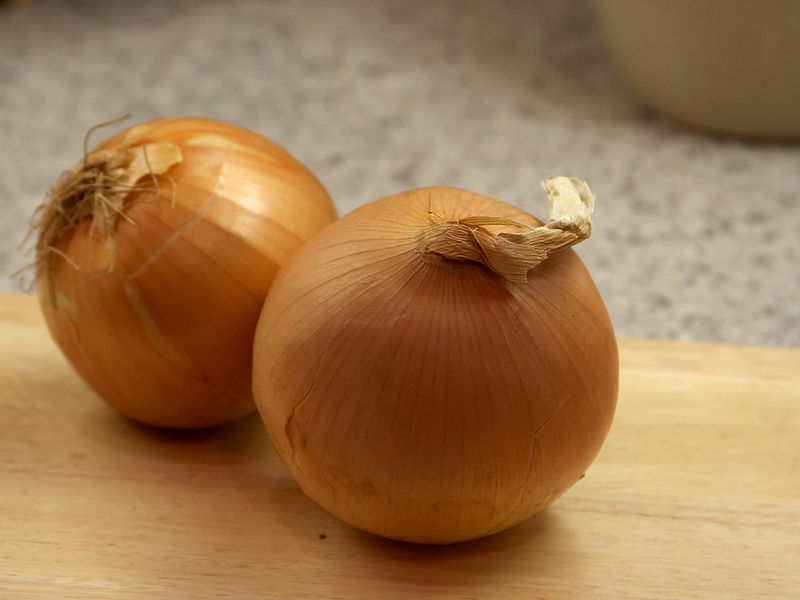
Yellow Onions
White Onions
White onions have an all-white skin (I’ve seen them with an off-white tint before) and an all-white flesh. They have a slightly milder flavor than the yellow onion and are a great substitute if you’re in need of an onion flavor, but don’t want it to be too powerful. White onions are commonly used in Mexican cuisines.
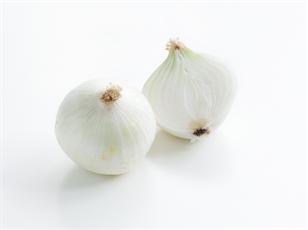
White Onions
Red Onions
You’re most likely to see red onions in non-cooked dishes, such as salads and sandwiches. Of the different colored onions, the red onion is the most mild, sweet onion. Red onions have the purplish-red skin which color is layered though it’s white flesh. I personally don’t like to cook heated dishes with red onion because it doesn’t produce enough onion flavor to enhance my meal. (Cooking an onion diminishes its flavor, but increases the flavor of the food around it).

Red Onions
How to Pick a Good Onion
In general, when you’re choosing onions in the store, the best ones will be firm, have a crackly outer skin, and have a mild scent. If their scent is overwhelming it’s a good sign the onion is starting to spoil. Avoid onions with dark spots or mold as well, though every once in a while I’ll still purchase those if I’m going to use them right away (I guess that’s my altruistic side coming out–take one for the team, you know). On another note, onions tend to store better in a slightly cooler, darker area, although the fridge is not recommended. The onion smell has a tendency to spoil the flavor of other foods in the fridge.
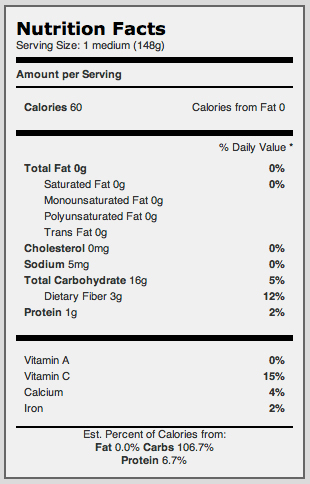
Onion Nutrition Data
Additional nutrition information can be found at: NutritionData.com.
Yellow Onion
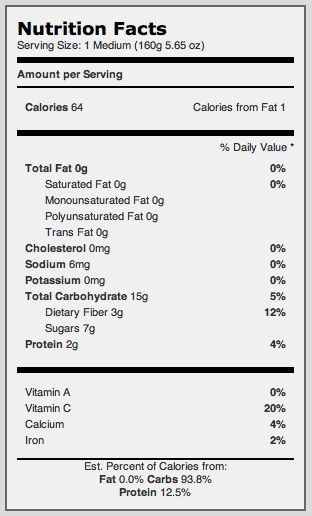
White Onion
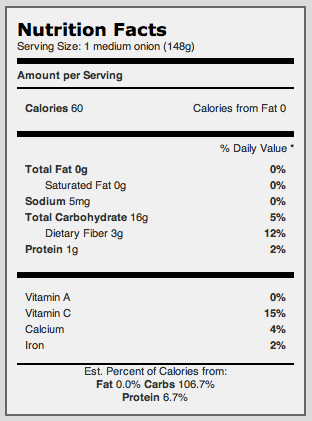
Red Onion
Did you have a question about onions that were not answered in this post? Leave a comment and I’ll do my best to respond a.s.a.p., or update my post to include the answer to your question. Thanks! Also, read my earlier post on freezing onions.
Thanks for the info on the onions! I’ve only ever bought yellow onions because I didn’t know how to use the other ones. In fact, just the other day my sister was asking me how anyone knew what onions to buy. This was very helpful. I would like to know different ways that green onions can be used. I’ve sprinkled them on enchiladas before, but that’s it. What else can I do with them?
I have an intolerance to red onions. They give me headaches, stomach pain, and that thing that happens when a soda goes in the nose. However, I can have any other kind of onion and garlic. Additionally, I love the taste of red onions even though I can’t have them. As you said before, red onions are meant for raw foods. I am currently on a raw diet; therefore, I was wondering what a good substitute for them is. Also, do you have any idea why I might be allergic to only the red ones. Do you think cooking them might help?
Diced raw white onions are good in salsas, guacamole, and other mexican food, and perhaps sandwiches if you don’t use red onion. Scallions/green onions go well in salads and flavorfully garnish things like raw soups and other veggies. I hear vadalias go very well with lots of stuff raw, but don’t usually use them myself.
Which onion gives the least amount of heartburn? I love onions but my husband can’t seem to tolerate them.
From what I know of onions, there aren’t any specific varieties that cause less heartburn than the others. It’s possible that cooking them can help break down the fibers and compounds that can cause bloating and heartburn. In 1990 there was a comparative study done (I don’t have access to it, although I tried) that may shed additional light on the matter: https://www.ncbi.nlm.nih.gov/pubmed/2327378
Hello, I put all types of onions in a raw salad. You can eat all of them raw, it’s just red are the most mild. If you can handle the taste, go for it.
I want to know why I can`t buy a Spanish onion in Daventry Northamptonshire.
Spanish onions aren’t sold everywhere (including my local markets). Consider calling your local grocer and ask if they’re willing to start stocking them. They’re generally in season from August to May. If you can’t find them, the more generic yellow onion is a pretty close match.
Hi! Soaking slices of raw yellow or white onion in water overnight removes that very pungent flavor and they are more complimentary to raw food, as the red onion is.
Interesting. I’ll have to give that a try. Makes sense though, when placed in water, the molecules in the onion would naturally move towards equilibrium with the surrounding water through
diffusionosmosis.I got smarter just reading that.
that’s osmosis, not diffusion
OMG, you’re right. As a biology/chemistry graduate, I’m shocked I made that mistake. Thanks for the correction.
Love this read. Very pleased I did. Also didn’t realise the amount of goodness from an onion. Amazing. Thank you. Is a yellow onion the normal onions we would use although I do use lots of white onions. Such a different flavour.
Unfortunately, cooking doesn’t help in most cases. Red onions are my favourite, but I’ve had to give them up completely due to similar symptoms. Look into sulphur content of various onions. That might be the culprit.
This was very helpful I didn’t know about cooking onions ,Thank you for the info.
I love red onions but how can you tell if the onion will be hot or sweet.
I always assume red onions are going to be on the mildly hotter side, and so I slice them thinly when eating them raw. It’s not often I encounter a red onion that’s more sweet than hot. And to be honest, I’m not sure how I’d be able to tell the difference without tasting it first.
which onion is most nutritious or profound if you please
They’re all pretty much equal in nutritional value. The sweeter onions have a slightly higher sugar content, but by a very nominal amount.
How do you store unused onion?
I wrap mine in plastic wrap, and then a layer of aluminum foil. I store it in the fridge for up to 3 days. They usually don’t last long, as I cook with them frequently. There seem to be a lot of gimmicky onion storage containers on Amazon with mixed reviews. I used one in the past, but didn’t keep it for long as it didn’t seem to work any better than my current method, and took up more room.
Ahoy Sami,
There are lots of things you can do with onions… each one probably deserving of its own post. But in general, keep in mind that onions are extremely versatile when it comes to cooking and can be added to flavor gads of dishes. Some of my favorites are soups, pot roasts, salads, and sandwiches. Earlier I wrote a post about some tips when freezing onions, I’d recommend giving it a read: https://www.thecookingdish.com/onions-on-the-go-instructions-for-freezing-onions/. In time I’ll have a lot more recipes on here that call for onion, so check back soon.
We grow an extensive garden, in Kansas, with many onions; however, our red onions, from sets, are ONLY red on the outer layer. Once sliced or diced there are NO red layers. Do you have an answer to this??
Thanks,
Sandy
Hi Sandy,
There are some sweeter red onion varieties, such as the Cippolini Red onion, that are only red on the outsides. I think the Red Candy onion has limited red in it as well… though that one probably goes in a couple layers deep (I don’t quite remember).
Hope that helps.
hahaha ! for me i really dont like onions that is my hatest spices product for me !
Thanks, Stephanie…that was very helpful.
I know a few people like that as well. To each their own, but I can’t help feel sorry for the soul who misses out on their wonderful flavor 😉
Very interesting info,i loved onions but they play havoc with my with my stomach.I can eat green onions.
Didn’t realize there were different intensities.
Hope to experiment.
Thank you.
thanks for the info! Do you happen to know if one onion is healthier than the other?
Hi Alison,
I’ve updated the post to include the onion nutritional information, and thanks for the feedback. 🙂
It would appear that all onions are fairly similar in health value. From the many places I looked, most of them consider the yellow onion nutrition data to be the standard nutrition data for the yellow, white, and red onions. Even the nutritional information I found at http://www.livestrong.com seemed to be missing the full sugar values, etc. from the white and yellow onions nutrition charts.
If you have any other questions, please let me know. Happy cooking!
I love to make beef stew in my crock pot, however, it seems that the outer skins of my yellow medium size onins never get tender even after 8 hours of low heat. I cut them in half before I put them in. What am I doing wrong? Freddy
Sounds like you’re not peeling enough of the outer layers of the onion off. Just underneath the crackly dry outer layers can be a layer of tough onion which is morphing from onion flesh into dry outer layer – you need to peel that off as well. I have missed it a couple of times in the past and no amount of cooking and hydrating will make it less chewy and unappetising.
You can take the layer next to the skin off and cut it into 4 pieces and lay it on the bottom of your stew or dice it up and sauté it just a little bit and add it in. It should cook all to pieces and add great flavor to the stew.
I enjoy onions very much and love them raw much better than cooked but use them for many dishes I prepare.
When you take that layer next to the skin off throw it away,the rest of the information is for the rest of the onion.
Putting the onions on the very bottom also help the meat from overcooking
Thanks for the informative article.
I get a sore throat when I eat onions. Even cooked onions make my throat feel scratchy like when you’re just catching a cold.
Someone convinced me to try a flat saucer shaped onion. I cooked it really well & no sore throat! (I roasted the onion) It is true of red onions & sweet white onions.
Do you know what chemical would be less in a flatter red or white onion? (Green onions & chives also cause a sore throat)
That’s a great question, and I wish I knew the answer, but I don’t. It sounds like you have some sort of allergy to it though. There are so many compounds in an onion, it would be hard to figure out.
@Freddy. Three different things come to mind that you can try.
1. Quarter your onion instead of only halving it. I usually quarter my onions and when they’re large I also break the quarters into halves between the middle layers so that I end up with 8 pieces. Being a tight vegetable, onions don’t let most liquids easily penetrate through its layers.
2. If you wan’t to keep it in halves, (or cook a whole one) cut 7 or 8 slits into the onion to help let the stew’s juices penetrate the different layers.
3. If you want to play hardball, after cutting your onion in halves, you can put it in the oven with a small dish of water at 350 degrees F for 15-30 minutes (until it’s softening up) and then add it to your stew.
Hope that helps, let me know.
This information was extremely helpful, thank you! Is there a post on green onions as well?
Hi Amber,
Sorry, no post on green onions yet. I’ve been pretty busy with stuff lately, but I’ll add into my list of requests and hopefully can get to it soon. Thanks for reading :).
Green onions aren’t actually onions. They are a member of the leek family. If you have problems with onions try substituting green onions. I have a friend that is allergic to onions but can eat green onions because they are not actually onions.
Green onions (scallions), leeks, and onion are all part of the Allium family. Green onions are just the immature bulb of a larger onion, just harvested early. So yes green onions are actually onions. The chemical composition of a green onion differs from a fully matured onion, which is likely why your friend doesn’t appear allergic to them. It’s possible that your friend is still allergic to them, but would not be as affected unless they ate them at a higher quantity.
Thank you for this information about onions. I have always only used yellow onions b/c, as stated by one other reader, I didn’t know how to use the other types. I recently ventured out into the unknown and tried red onion in a pot of red beans. Assumably a safe way. With so much going on in a pot of beans, it seemed that if there were issues, not that I thought there would be, it wouldn’t be too apparent. My results, first of all, they tasted wonderfully! But, and this is the reason for my search, it seemed to change something about the beans. This is funny, my household seemed less gassy after using the red onion. I cooked another pot a few weeks later, using again, yellow onion and went back to the gassier results. Does red onion produce or atleast, not leave your body producing as much gas as yellow onion? I realize everyone is different with their production but for me, this was a marked result and truly a good result. Thanks again for the info.
Hi Amanda,
Often times the yellow and white onions make people gassier because of their higher sulfur content. Sulfur breaks down as it travels through your small intestine and what isn’t absorbed along the way escapes… usually at a time and place that embarrasses us the most. Because everybody’s digestive system behaves a little differently, some people may hardly be affected by the increased sulfur content in some onion varieties while other people, and those poor unsuspecting guests around them, may not be. Hope that helps answer your question. I love that you’ve been conducting experiments with the onion, happy cooking!
Thanks for the info. I had been waiting to find out the distinction between different coloured onions since long. I am thankful to have read this writeup.
Hi Savitha,
I’m glad you found the article helpful. 🙂
FAMILY REUNION
A little help – not great detail: – In the family reunion of onions, where do scallions, leeks, green onions, garlic and shallots – where do they fit in for placing flavors in their proper directions?
10 words or fewer per:
Thanks –
I’d like to know about shallots and leeks. I’ve never used them because I know so little about them.
I get this request a lot. I think it’s about time I write an article on it. Thanks 🙂
This information is so helpful. I always wondered about which onions to use for cooking, what to use raw, etc. Thank you!
Great article! I’m working on a recipe that calls for onion and I want to define the three types of dried onions and why I’m using white onion in my recipe. So I’m going to link to this post, if you don’t mind. Will let you know as soon as I’ve posted the recipe.
Hi Cheryl,
I’m glad you enjoyed it, link away! I look forward to reading your recipe post.
Hi, Green onions can be used for Oriental stir-fries. Wonderful for topping for miso soup.
Can cut up the green onions and can also be frozen for use later. Very delicious on
tofu, together with grated fresh ginger and shoyu.
Awesome Nancy, thanks for the comment on using green onions. I agree, they go well with quite a few Asian dishes. I also use them in cabbage dishes and in a number of soups and salads. Very tasty.
Chris,
Thanks for breaking it down. Is a Spanish onion a yellow onion. Some recipes call for Spanish onions and they are hard to find, except maybe Whole Foods.
Ahoy Duane.
I meant to reply to your comment earlier but I just kinda’ spaced it :). Spanish onions are a larger, sweeter onion and look a lot like the yellow onions–though sometimes they can take on a white-ish outside color. When you hear of people eating onions raw, the Spanish onions are most likely what they’re eating. (Can you imagine taking a big ol’ bite out of a yellow onion? Blech!)… I agree, it doesn’t always seem like they’re as easy to find, though they’re fairly popular to cook with. Perhaps if you’ve got a local farmer’s market or a local grocery store chain you can try there. Hope that helps.
In the south we eat a lot of Vidalia onions!! Grown in Vidalia Ga. They are sort of flat and are so sweet you can eat them raw with no after taste. They are very mild and are great on salads, burgers, and other raw applications. They don’t do well in long cooking methods. I would not use them in onion soup or stews. I don’t know if they are in the yellow family….they have a brownish/yellowish skin and don’t make your eyes water when they are cut. I have also seen Texas sweets. They are flat as well, but don’t have that great taste that Vidalias have.
Thanks for sharing Rhea, there are quite a few sweet onion varieties, so if you can’t find a Spanish onion or a Vidalia, you can always see if there’s a local sweet onion variety.
Thanks for this very helpful info. I’ve been trying to figure out the differences for years!
Hi Lisa, I’m glad you found the information helpful. Take care.
Thank you so much for the great info! This is so good to know. I started using red onion for everything because I like it’s flavor raw so I’m glad I stumbled upon this site. Now I know that I should use yellow onion in my pot roast. THANKS!! 🙂
Glad to know it helped 🙂 Happy cooking!
Since I retired from work, I have been busying myself with learning to dehydrate foods. Onions and garlic have never been my favorite as I do not like the texture. I decided to make use of my food dehydrator and drying the onions and garlic. I slice the garlic very thin and cook until there is a slight brown. The onions, i mix white, yellow and red. I dry them until dry and sometimes get a little brown. I love the flavor and the texture much more. I use them in soups, on frozen pizza, salad dressings and all kinds of things. Any additional suggestions……..???
I did forget to tell you that the aroma of the onions and garlic after drying, is absolutely wonderful……I don’t have the aftermath of upsetting my system when eating them as well.
I don’t use dried onions very frequently, but perhaps you could use them in meatloaf (if you like meatloaf) or use them to season any meat. You could also use them as an aromatic in a water bath along with some citrus, an apple, some cinnamon, and a few springs of thyme… or any combination that you like.
Hi Chris – very usful article – thank you. I grow my own veggies and had lots of red onions and shallots this year so I’m using them in cooking before they start growing or going mouldy. I’m probably committing some culinary crime by doing so but … waste not want not. I am hoping to grow more yellow onions next year. Sod’s law – its usually the red onions that don’t grow well! My best red onion dish is red onion tarte tatin and then, of course, there is the lovely roasted mediterranean vegetables but you can’t eat thos every day. I’ve yet to try making onion soup out of the red onions.
Hi Teresa,
I agree with not wasting food. As long as it’s still edible, it’s fair game in my book; after all, we’re not serving 5-star courses every meal at home, right? 😉 (If you are, I’ll be over soon, ha ha.) By the way, your dishes sound delicious! Feel free to share the recipes if you wish.
I work produce and this has been very helpful. I get a lot of questions about what the differences are so thank you!!!! And i just wondered where vidalia onions fit? We also have just sweet onions when vidalia onions are not in season, are they both mild as well like the red onion or stronger?
Ahoy Shawn! Great questions. Sweet onions have a lower sulfur content than even a red onion, and some people actually eat them like you would eat an apple. I’ve never done that myself, but I foresee it happening in the near future. Vadalia onions are a specific type of sweet onion that are unique to Georgia, U.S.A. Here in Utah we also have a Utah Sweet Onion. Hope that helps :).
How do sweet onions compare to yellow onions when sautéed or caramelized?
yes very much so! I am also in Utah and that would explain where that sweet onion we sell comes from. thank you!!
Chris
This is a brilliant post and thanks for the info! Do you know what the relative water content is for each onion? I normally use yellow onions and wondering if other onions would cook faster. And what about cipollinis and pearl onions? I’m guessing they would be similar to sweet onions?
Thanks Veena! I’ve always considered cipollini onions as a midway between a sweet onion and red onion. I’ve only cooked with them a couple times, though. I don’t know much about peral onions, other than they’re considered relatively sweet. I’ve never cooked with them… in fact, I don’t know if I’ve ever seen them in a grocery store either. But now, you’ve peaked my curiosity and I’ll be looking for them.
As far as water content goes, I haven’t noticed a huge difference when cooking with them as far as time to sauté or caramelize is concerned. Typically the sweeter the onion, the higher the water content.
Thanks for stopping by 🙂
Hi Chris!
Quick question, I wanted to make French onion soup. There are a lot of recipes that say use both sweet onions and red onions, and then are some that just use sweet and some that just use red. What would you suggest?
Either way, you’ll get a yummy soup. I would probably use a combination of the two as having both onions in there would add depth to the flavor.
do you happen to know about sulfur and S-oxide content in white and red onions? i really need some help and your website is the closest ive gotten to any answers.
~Dominique
Hi Dominique,
Sorry, but I don’t know that information. You might find the information you’re looking for, though, in this paper: http://pubs.acs.org/doi/abs/10.1021/jf60174a009
Good luck! If you’re up to it, when you find out maybe you can come back and update us all.
We grow a very small onion, no bigger than your thumb, it is very mild and comes back every year. We have no idea what it is, nor can we find something similar on line. It grows in clusters. Are you familiar with these?
My first thought would be pearl onions, but I’d have to see a picture to be sure.
Samantha, your onions sound like the bunching onions my grandparents used to grow in their garden some 35 – 40 years ago. They were a perennial onion, that came back every year, and never made much of a bulb. We used them just like the green onions or scallions that are commonly sold in supermarkets.
What about green onions? And I’ve also just discovered from my mother in law there are Mexican green onions which she says “have more flavor”
Hi Kristina, I definitely need to write a post about green onions; I’m asked about them frequently.
I recently heard that red onions are healthier because they have higher levels of flavonoids (hence the red color). Can you verify this?
Hi Yvonne, I’m by no means an expert when it comes to the nitty gritty of all the details, but from what I understand, there’s still lots of research to be done on the health benefits of flavonoids. I think the wikipedia article on them does a pretty good job of summing those up: Flavonoid. The link takes you to section 3, “Potential salutary effects on human health.” I hope that helps! Thanks for stopping by.
I inadvertantly planted red onions in my garden this year. I don’t mind them for fresh/cooking, but I wonder if I can substitute them in bread and butter pickles, will they hold up as a white/yellow onion would? Thanks, Suzanne
I’ve never made bread and butter pickles, but I do know there a few recipes out there that call for red onions instead of the yellow ones. The red ones will most likely give you a slightly more subdued flavor, but in my opinion, would hold up just fine and taste great.
What is a Vidalia (spelling?) Onion and how can it be used?
Thank you for this enlightenment. I wanted to find out if red onions are stronger because I used them yesterday in a potato salad. When I was chopping them I thought they smelled stronger. The salad is going to a potluck tonight, so I’ll see what the critics say. My potato salad is always a big hit, but I’ve never used red onions in it. I did it mainly for color.
Hopefully I can get this answered within the next hour or so! I’m making one of my much requested special dish tonight for my auntie’s birthday before she heads back to California tomorrow. It’s Mario Batali’s Arista Toscana and the recipe calls for 4 Large Spanish Onions…to counteract/compliment (?) the fennel. It’s an amazing dish. If you can’t find spanish onions…what would you use as an alternative? Red? White? It’s not being sauteed but rather sliced, layered on the bottom of a pan with fennel slices, large pork loin roast on top and roasted for about 90 mins. Thanks so much for your advice and great info!
Hi Sher! I sent this reply in an email to you, but figured I’d add it here just in case others have a similar question.
A Spanish onion is a sweet onion (sweeter than a red onion). They’re not necessarily available everywhere you go; however, you might be able to find some alternatives somewhere, such as a Vadalia or a sweet onion. Perhaps a local grocery store can help you locate what you need if you call their produce section. If you can’t find any sweet onions, I might go with a red onion (perhaps mixed with a little yellow and white for fun!). Fennel pairs well with most onions, so I wouldn’t be too worried about it.
Thank you for an amazingly prompt response! You rock! I called around and found at a nearby Trader Joes they had Hawaiian Onions. But, even closer was our local Sunflower market who had Sweet Onions which I guess are Vidalia onions! If you ever get a chance to make this dish…it’s well worth it! Always a 5 star winner with the fennel bulbs and onions! http://beta.abc.go.com/shows/the-chew/recipes/Mario-Batali-Arista-Toscana
Heads up on the frenched bone in pork tenderoin….prices vary widely from local gocery stores to Costco to meat stores. I ultimately ended up buying at a small meat store which was so fresh…and half the price of everywhere else I called!
I’ve never known so much about onions in my life until reading this blog! Love it! Can you tell me if there is a difference between pearl onions and petite whole onions? I’m trying caramelized onions for Thanksgiving this year and it calls for pearl, however the grocery store only stocks petite. Any help is greatly appreciated!
I want to make a butternut squash gratin. The recipe calls for one yellow onion (diced). What size onion should I use? Thanks.
Hi Rosie, when in doubt, I buy a large and then I start by putting 1/2 of it in, and then adjust from there. Hope that helps.
I am a big fan of peanut butter and onion sandwiches. Over the years I have perfected the perfect pb&o sandwich. It must be made with creamy peanut butter on white bread with thinly sliced white onions. Yellow and red onions don’t react with the peanut butter in the same way. When made correctly the onion and peanut butter interact to form a unique flavor not an intermittent back and forth of the two favors. Any idea why white works better than red or yellow?
Ha! I’ve never had a pure peanut butter and onion sandwich. First time I’ve heard of them, actually. But now that you’ve peaked my curiosity, I’m going to have to give them a try!
Peanuts (or peanut butter) and onions are known for being a good flavor combination, but why the white one is the better option, I’m not sure.
Why are sweet onions (Vidalias, Walla Wallas, etc) and red onions (much of the time) so large and sometimes huge? I am a single person so often I’ve used maybe a slice or two, wrapping the remainder in plastic and putting it in the fridge. Then I’ll end up throwing it out because it’s lost some of it;s crispness and moisture and flavor. This is a fairly new phenomenon; I used to find smaller sizes available.
And a P.S. about Vidalia onions: produce signage in supermarkets often label various sweet onions as “Vidalia.” All sweet onions are not Vidalias. Vidalias are very specifically defined by law: “A Vidalia onion is a sweet onion of certain varieties, grown in a production area defined by law in Georgia and by the United States Code of Federal Regulations (CFR).” Source, Wikipedia.
I’ve found smaller sweet onions in my local grocery stores. Maybe you can find some at a farmers market in your area?
I never had really thought about the differences in yellow, white and red onions until I ran across this article. I’ve just always bought the yellow onions to cook with because they tasted better to us. We also like the Vidalia’s, Walla Walla’s and other sweet onions. My husband usually eats them raw as well as green onions. Most green onions have a milder taste than a yellow onion. Occasionally I do cook with the green onions if I am out of yellow onions, you just have to use more of the green onions. I would like to post this article on my blog if that’s alright with you, of course I will link back to your blog. 🙂 I’m sure some of my readers haven’t read about onions either. Thank you for this enlightening article about onions, Chris. I have learned a lot about onions from it!
Are yellow onions and dry onions the same. If not, how are they different?
Thanks and looking forward to the answer.
The dry onions I use are usually yellow; but you’d have to look on the package to know for sure.
i always buy yellow onions/ or white onions since they are cheaper than red onions !! But for salads Red onions give more flavor. i’d mixed some Green onions with yellow onions inthe past !! So good to see this article ! I think the nutrients might be almost the same, dont u think ?
Which onions would you use for grilling? Want to make grilled onions for my steak.
I’m personally a fan of yellow onions with my red meats (most things, actually), but it’s really a taste preference. If you’re going to kabob, you might also find a sweet onion mixed in there to be a nice addition.
Definitely brown onions for grilling with steak Cathy =) Red or white onions are better for salads etc. Nothing like the smell of brown onions grilling on a hot barbecue yum
Oops, sorry Cathy – here in Australia we call yellow onions brown onions, I haven’t heard of them being called yellow onions till here =)
As far as market is concerned ,which type of onion is on demand?
Good question, I’m not sure which ones are most in demand.
Christine, yellow onions are usually the most popular when it comes to cooked dishes, red onions for salads and a milder flavour. I don’t know many people who use white onions. I think of them as yellow for the colder months and red for the warmer months. I think really it comes down to personal preference, perhaps try them all and see which you prefer =)
You say the onion makes you tear, if you store them in the frig you won’t have that problem. I love onions, use them in my salad all the time. Have a great day.
would like to know if onions can be frozen . Am tired of wasting half an onion. if they can be frozen, what is the correct way to do it.
Ahoy there! Yes, onions can be frozen. Here’s a post that might help out: https://thecookingdish.com/0228/onions-on-the-go-how-to-freeze-onions/
Chris: Thanks for the info on freezing a onion. No more wasted onions for me.
Thanks
Are vadsllia onions classified as yellow?
Good question, they’re a sweet onion (although there are sweet onion and yellow onion hybrids available in some locations).
I think I have an intolerance too it’s a hunch anyway after eating red onion I get bad headaches pressure behind my eyes a upset stomach sometimes vomit. I thought it was a virus but only get the symptoms recently since I have been putting red onion in my food. Symptoms can last for 12 hours but I can eat other onions fine. Any ideas?
Not sure what the culprit could be, maybe you have an allergy to its anthocyanidins?
tell me about he many varaties of onions, I use onions in most all dishes.
You should abstain from cooking onions and try to eat them fresh in small quantities like a few slices on sandwiches or diced in fresh salads. This is because onions are extremely good for your health, but cooking, heating, and frying them makes them loose virtually all of their healthy benefits.
I suppose if you’re going for nutrition, then that sounds like a good idea. A lot of times in sauces and other foods, you’ll use them just for flavor and pull them out before serving.
I am reading “Dropping Acid: The Reflux Diet and Cookbook.” the authors (2 MDs and a chef) rate white onions as okay for reflex (ph of 6.0), and Spanish yellow onion (ph 6.3) as bad for reflux for reasons other than acidity. But they don’t explain why. Any comments???
I’m not sure, actually. I have experienced reflux after eating certain foods but onion and garlic have never been one of them. I found this answer on a thread (link below) dealing with the same question that might come in helpful as a starting point. In summary, onions have been found to loosen the LES (lower esophageal sphincter).
http://www.healthboards.com/boards/4933637-post4.html
Thanks! I know yellow onions have a stronger flavor and a lot more sulphur, maybe that is part of it. Once they are sautéed, both white and yellow are said to be a problem.
I am trying one of their recipes, for chicken soup without any onions. Never have done that before. Actually, it is quite tasty: they use dill, bay leaf and thyme for the flavoring. And lots of carbs: carrot, potato, parsnip, and celery.
It sounds delicious! I’d love to know how it turned out for you.
Hi Chris, would you know the sugar content of yellow vs. white vs. red onions, compared in the same weight? I’m looking to cook diabetic friendly food and every gram of sugar counts. Somehow food cooked with red onions always seem to taste sweeter. Many thanks.
Hi Shez,
I don’t have the exact sugar:gram ratio, but as long as you stick to non-starchy vegetables you ought to be good. Onions do have some sugar in them, but it’s not much and it may in fact may encourage lower blood sugar levels. I’ve read in places that the red onion may actually do this more than the other varieties. No matter which onion you use to prepare the dish for your friend, you shouldn’t have to worry about the sugar contents.
Here’s a snippet from an article on Livestrong that may interest you:
“The sulfur compound called allyl propyl disulphide may increase insulin production and lower blood glucose levels. An October 2010 preliminary study published in the journal ‘Environmental Health Insights’ found that red onion was effective at reducing blood sugar in people with diabetes. Glucose readings in type 1 and type 2 diabetics fell and remained lowered for four hours after eating.”
The American Diabetes Association also lists onions as one of the vegetables that diabetics can safely “eat your fill.” They are a non-starchy vegetable which means they contain very few carbohydrates that convert into glucose when being digested.
Hi Chris,
I just came across your blog while looking to find some answers about onions. I’m glad I found it! I was just in Greece this past month visiting family and just about everyday we would eat the traditional Greek salad. Tomato, cucumber, onion, and feta. What always amazes me is the onions my mother in law uses are so crisp and not bitter at all. They are not big and on the outside they look like a regular yellow onion. Could they be a difference in their soil or maybe they are sweet onions? They don’t taste sweet however they are definitely easy to eat without cooking and even on their own. Here in Michigan I use red onions for my greek salad but they are still way more potent than what I had while in Greece. Thanks!
Greece? SO JEALOUS! It sounds to me like it was a variety of sweet onion, though I can’t say for sure. Some of the sweet onions I had aren’t necessarily “sweet” per-say, but rather very mild.
Like you, most of the Mediterranean foods I’ve had use the milder red onion, though I’ve had a sandwich or two that use the white onion.
Where does the Vidalia onion fit in? It appears to be yellow in color, yet in the store is separate from the other yellow onions. I venture to guess that it has a sweeter flavor than other yellow colored onions. I didn’t see any mention of it here.
Hi Peggie,
The Vidalia is considered a sweet onion. There are many varieties of sweet onion, often named after the place they’re grown. Vidalia onions are from Georgia.
This was helpful! Thank you.
I’m in England, where they never seem to have small, white (stewing) pickling onions. I put them in about 5 different of my favorite stews. And, I need them for French dishes.
What can I use instead of tiny, white onions? Should I quarter a white large onion? Should I use shallots?
Please help.
Hi May,
Thanks for stopping by. Without knowing the exact dishes, these are general recommendations.
Pearl onions are on the sweeter side, so I might recommend starting with a Spanish / Sweet Onion cut into the size you want. Maybe halved, than each half quartered.
Shallots are a combo of garlic/onion flavor and tend to have a sharper flavor. The yellow onion is my favorite one in most general stews. Just keep in mind that as the onion cooks and approaches the translucent stage, it becomes slightly sweeter to the taste. Hope that helps. Take care.
Thanks. That helps tremendously, because if the tiny white onions are on the sweeter side, I wouldn’t want to use shallots instead. Much too sharp. I can only get yellow or red, in the small English town, so I’ll go with yellow. I’m going to rinse in hot water before using, as I feel this will take a little edge off.
thanx
Here in the uk “yellow” onions are not known to us but appear in US recipes, I thought I had found the answer to the difference but no. Spanish onions are usually more expensive here are large and sweet and can be eaten like an apple, cooking onions are white and make eyes water, red onions sweet and tasty – make a lovely tarte tartin with red onions only – full of flavour – not as you comment. thank you
Shallots and red onions from Indian shops are for Asian stir fry. Still don’t know what yellow onions are!!
To the best of my knowledge yellow onions are more commonly referred to as brown onions or cooking onions in the UK. Is that correct?
I was just checking out your Pinterest page when this comment showed up! Ha! In all honesty, I’m not very familiar with UK terminology when it comes to foods, but I have heard on occasion the yellow onion being called a brown onion because of the brownish tint on the skin.
What concise information. Thanks for sharing.
Great article! I live in Mexico, we always use white onions for cooking, and red onions in salads and some side dishes… I’ve never tried yellow onions! I never see them at the market, I’m curious now
I def. stumbled on to this article. It was very useful and kept very simple. Keep up the good work!
Thanks for the information!
do white onions grow the same size as yellow and red onions?
Hi Sharon,
White, yellow, and red onions are generally the same size, though depending on where you get your groceries they may have small, medium, and large varieties available. Just be sure that if you’re getting a large yellow one that it’s not a sweet onion (unless that’s of course what you’re going for).
Excellent info here, I am currently doing some dish and found your recipe. Thanks for sharing!
I’m finding lately that yellow onions are too sweet. Are they breeding them to be more like Vidalias? I want an oniony flavor for Chicken Soup – not sweet – yuk, I made an onion pie today with a comb of 2 yellows, 1/2 red and a very large Shallot and I taste no onion flavor at all. I’ve never tried white onions. The Bermuda Onion and the Vidalias are good for eating raw on burgers or salads. What has happened to the yellow onion?? I want a savory cooking onion.
Thank you for this article on onions. I stayed away from the white ones for decades because I erroneously thought they had to be the strongest. They are not and they are delicious. I love onions, but raw, they make me very sleepy; pickled and they make my stomach feel like it’s on the high seas. But pickled red onions are very popular among my family and friends and I always have a jar of them in the fridge. Very easy to make, too. One red onion, very thinly sliced (use a mandolin), 6 tablespoons sugar, 1/2 teaspoon salt, 1/2 teaspoon died Mexican oregano, 3/4 cup white distilled vinegar and 3/4 cup water. That’s it! Put it in a glass jar, shake it up to mix the ingredients, set it in the fridge for 12-24 hours and voila! Gorgeous onions that go on everything from salads to tacos to sandwiches or just by themselves. Two friends make salad dressing with the leftover brine. I thank Marcela Valladolid for this recipe. But remember, it has to be a red onion for the full effect.
You’re welcome, and thanks for the recipe! I don’t eat many pickled onions myself, but I do love them on sandwiches!
does it that there is no significan difference between white and red onion
Not much, no, other than sulfur levels.
Hi! I found this article on onions so helpful, but the nutrient lable fails to mention manganese. This is present in onions and is a necessery nutrient. Thanks again and look forward to more content.
Glad you found the article helpful. I’ll take a look at adding manganese.
You mentioned onions shouldn’t be stored in the fridge, what if you only use half the onion? How should you store the rest until you need to use it?
This is one of those cases where you have to break the no-fridge rule. Wrap the onion tightly using plastic wrap, and then place it in an air-tight container or a ziplock bag or something similar. Onions are real chummy and they like sharing. Placing it in an airtight container keeps the onion from sharing smells and flavors with the other foods in the fridge. The tight plastic wrap keeps it from drying out too soon. It should last for about 2 weeks that way.
Because the lower temperature in the fridge converts an onion’s starches into sugars, it will change the flavor. After the onion has been refrigerated, it may have a metallic or sour-like taste if eaten raw. For that reason, if I have a refrigerated onion, I will use it in dish where the onion has to be cooked.
That’s odd – i just looked at another site that ranked onions the other way round. yellow mildest, white next and red the strongest!
Take a bite into each one. The buds don’t lie.
I have to disagree. The RED ONION is the most strongest. I grew up only on the yellow onion. Then as an adult I tried the white onion for the first time. It was okay, and on the mild side. But when I tried the red onion it was strong tasting. So I’d be buying the red onion only on occasion when it is mixed in with my white and yellow onions in a box. I also find it in the in-store made prepared salads. It is too strong and I can’t taste my salad and all I have is onion breath.
Thank you so much for sharing this info! I have instinctively preferred red union in my sandwich and salad because I find the white too pungent, so I developed a prejudice against the white and I just used red for everything. I’ve suspected I might be missing something since they all exist for a reason and that’s why I searched for this info and found it here. Makes perfect sense. Thanks again for sharing!
You bet, Fabie. Glad it was useful for you.
I bought some packaged diced yellow onions on March 31, 2017. They have a sell by date of April 5, 2017. I have had them stored in my refrigerator since then. I was planning to use them today, but they no longer have a white color and the onion smell seems off to me. I don’t know if I should just throw them away and buy a new one.
Hi Marina, two things are happening.
1) Because the onion is already diced when you buy it, it’s composition has already begun changing before you buy it and will not taste as fresh or crisp as it would when buying a whole onion.
2) Refrigerating an onion converts the starch to sugars, dehydrates it more quickly, and causes the onion to absorb the other scents in the fridge while in turn imparting its own. The off-white color is caused by the sugars and dehydration.
Hope that helps.
Actually no one answer the basic question of how many types are world wide??????
I’m not sure anyone knows for sure. Hundreds, if not thousands would be my guess. Considering how genetically diverse plants are in general, it may be an absurd number. My guess is that you’d need to search some nerdier websites than this one to find that answer. Consider using the search term “onion genetic diversity” as a start.
What is the health benefits of white onion
Onions have a few health benefits, here’s one of many articles that detail them: Onion Health Benefits
Hello, my name is Jerry. I really appreciate this information. However have you managed to find any nutritional labels that do have the sugar content for the white and red onions? Thank you very much again, Jerry Walker
Red, White, and yellow onions have 5 to 9 grams of sugar.
Thanks for the post about onion varieties – it was really useful.
I don’t know if anybody knows an answer to this but I was told that onions that are oval (or the ones that look flatter) are either hotter or not as hot as ones that are round.
I have not heard this previous to now. I don’t have the tools to measure the compounds in the different onions, and I couldn’t find anything online about it.
In China, “red” (really purple) onions are used mostly for cooking, but in Xinjiang province, they are thinly sliced with tomato and cucumber as a salad. Chinese-American restaurants, however, typically use white onions cut into large chunks extensively, probably to expand the size of the dish and thus reduce the cost.
Galactically Mandates…
Onions 🧅 ROCK!! All. The. Onions. All of ‘em!!
And so do all of you.,,,Earthlings!!
Happy Thanksgiving!!
🦃 🧅 🍁 🦃😊
I love the exuberant nature of your mandate!